Restorations Healthcare
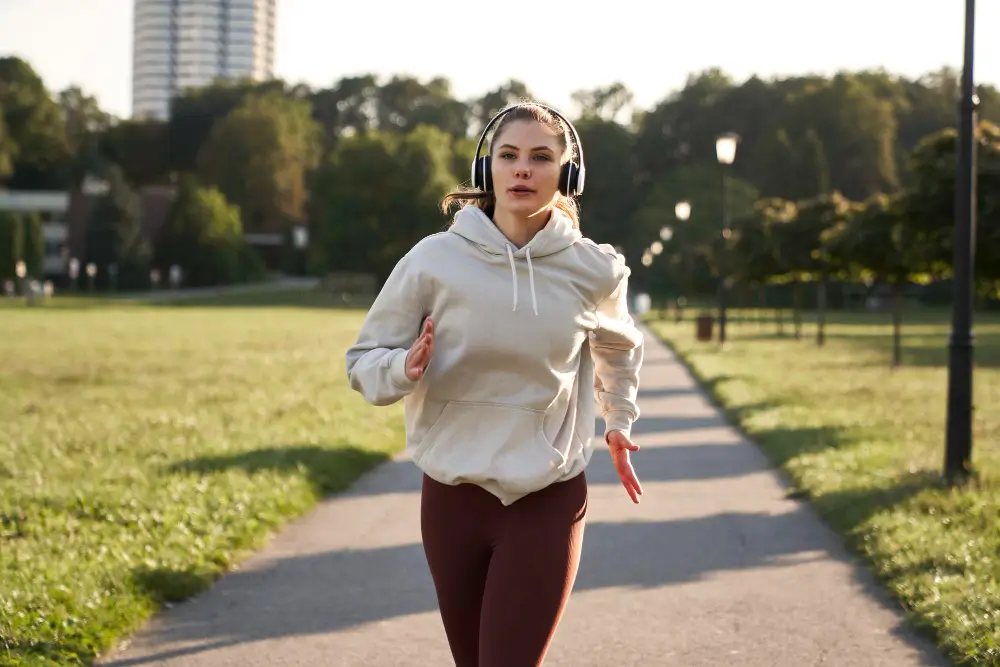
Exercise can be a key part of recovery from substance abuse. Finding the motivation to do so can be challenging, but if you can come to see it as an important step in recovery, exercise can really help in many ways. Read on to learn more how this can work.
Understanding the Recovery Process
Most people with a substance use disorder, (depending on the drugs and severity of use) can and do recover. But recovery is a long-term change process, often with relapses along the way. It is a dynamic, individualized process with multiple pathways to success.
There are a variety of ways recovery is defined. With respect to alcohol use disorder (AUD), the National Institute on Alcohol Abuse and Alcoholism (NIAAA) defines it as:
- No longer having AUD symptoms (except for cravings) as listed in the DSM-5, the manual psychiatrists use to define mental health disorders, and
- Stopping heavy drinking, although not necessarily total abstinence.
Some of the factors that are involved in recovery from alcohol abuse include [1]:
- AUD severity and other factors influence if you go into treatment
- Many people choose a goal of cutting back rather than quitting drinking
- Success often happens after just a few serious attempts
- Relapses to heavy drinking in recovery are common and decrease over time
- Negative emotional states, cravings, and sleep issues can persist after you quit or reduce drinking
- Improvements can be steady or bumpy
One study of the recovery process highlighted several core themes of recovery [2]:
- Addiction is connected with all parts of a person’s life, not just their drug use
- While recovering, some start to reconsider their identity and look at their addiction experiences in a new light
- Some processes of personal or social growth linked to recovery could span several years
- Many recovery experiences are very common or universal that anyone can have regardless of the type of drug addiction
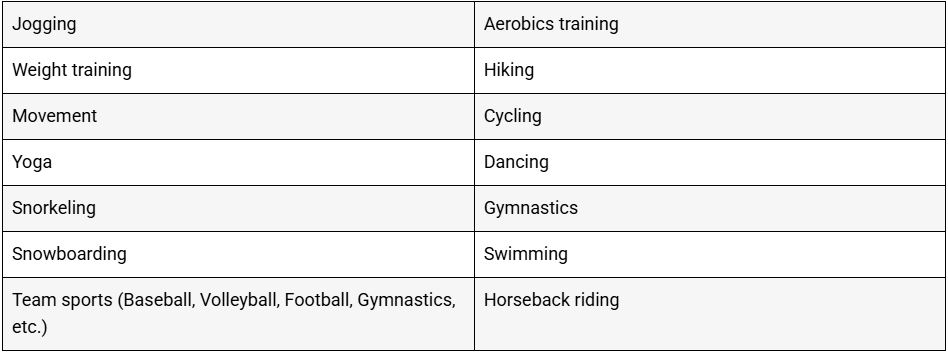
Exercise is one such activity or experience. It can help you recover parts of yourself you may have left behind for substances or develop new exercise interests. These might include participating in activities such as: