Opioid Detox Anaheim
Opioid addiction is a serious problem, and it’s a disease that can destroy lives and tear families apart. And the opioid crisis is affecting not just the people who use these drugs but everyone around them.
Opioids are a family of drugs that includes heroin, morphine, and fentanyl. Doctors can prescribe opioids for chronic pain relief, but these medications also have a high risk of abuse and addiction. In fact, according to the National Institute on Drug Abuse(NIDA), opioid overdose fatalities increased from 21,088 in 2010 to 47,600 in 2017 and remained constant in 2018 with 46,802 fatalities.
“In California alone, there were over 5,502 deaths caused by opioid overdose in 2016 alone—a number that has continued to increase since then, especially in Anaheim, Southern California.”
Do I Need an Opioid Detox?
If you or someone you love has been taking opioids for a long time—and especially if they’ve been doing so without a prescription—they may be addicted. If you or your loved one exhibits signs of addiction (such as withdrawal, cravings, or continued use despite negative consequences), it is wise to seek professional help before things get worse.
A trained medical professional can help determine whether opioid detox is right for your situation.
Opioids are some of the most addictive drugs in the world, and they are also very dangerous. They can be deadly if not taken correctly or if you stop using them suddenly without proper care from a professional.
Symptoms of Opioid Withdrawal
Opioid use disorder detoxification is one of the hardest parts of recovery. Your body has become so accustomed to regularly having opioids in its system, and therefore needs time to adjust when you stop taking them completely or try to cut back significantly.
Opioid withdrawal syndrome is a serious, flu-like illness that results from stopping opioid use.
The syndrome is characterized by the following symptoms:
In addition to these symptoms, people who have been on long-term intravenous (IV) opioid use may experience infection problems.
IV use issues may include:
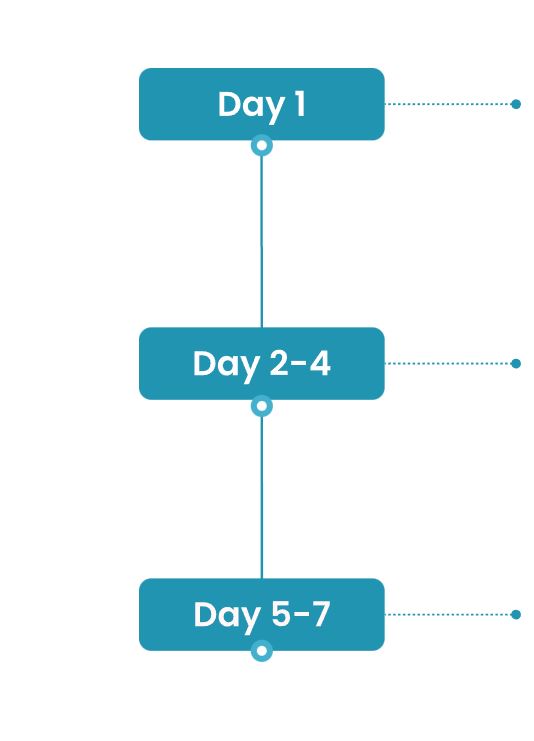
On the first day of opioid use disorder treatment, detox is key. You’ll be admitted, complete paperwork, and experience withdrawal symptoms like anxiety, nausea, and chills. This initial phase lasts 1-3 days, depending on your drug use and how your body reacts.
Understanding your symptoms helps with better management during this time.
The next stage of treatment starts with a morning check-in where the patient meets the medical team, who provide medication to ease cravings and withdrawal symptoms. A full physical exam is done, and the patient joins their first group therapy session to discuss addiction and learn relapse prevention strategies.
Medications like clonidine, lorazepam, buprenorphine, or methadone may be prescribed. The team will also discuss aftercare options for post-detox support.
The final phase of detox lasts around two days, focusing on stabilizing the patient under close medical supervision. Daily visits with a psychiatrist or therapist provide support, counseling, and medication management for any coexisting conditions like anxiety or depression.
A 24/7 nurse is also available to administer medications as needed. Once inpatient detox is complete, patients are discharged with a care plan that may include medication to manage withdrawal symptoms, therapy sessions, and possible outpatient services for continued support.